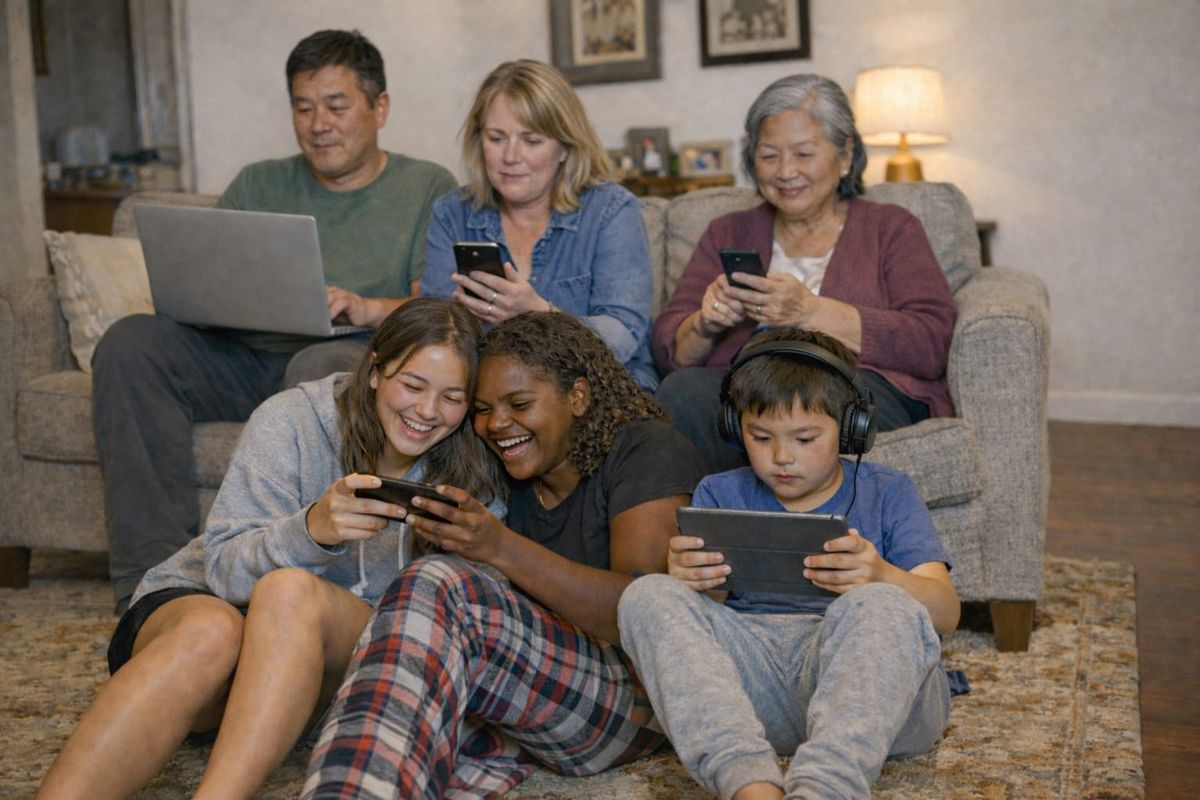
What do you imagine I’ve done if I told you I spent two hours on social media?
You’ll be amazed at how varied the results if you ask 40 adults at random what two hours of social media use looks like for them.
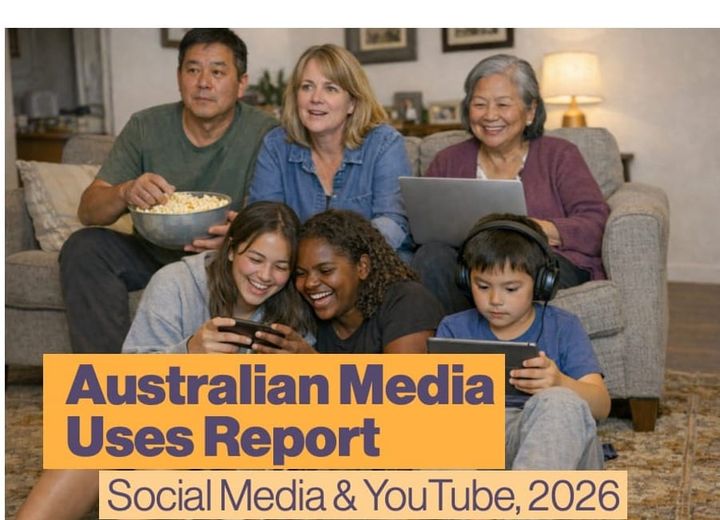
The first academic publication from our 21st Century Media Uses Project (click through for background on the project) is now available from Convergence. Here we (Gabriela Lunardi) draw from 40 hour-long interviews with a cross-section of Australians 18+ to reveal a very different frame on social media use than found in a lot of journalism and ‘media panic’ posting. The insight here complements the Australian Media Uses Report: Social Media and YouTube, 2026 white paper we published earlier this year that presents survey data that tested findings from the interviews in a nationally representative sample.
Our interviews reveal the great variation within what people actually do when ‘using social media’ and what parts are most important to them. Most of the scholarship on social media use draws from surveys and studies young people. But surveys are poor tools for understanding how and why people use media and what they most value in their use, and social media is used across the population (85% of Australians used Facebook in the last week alone) and young people use it differently than those older.
The article focuses on the two uses interviewees most discussed and valued, which aren’t much discussed in the scholarship or by journalists:
· social media feeds as a ‘personal media stream’
· private communication and sharing on social media
Perhaps because of assumptions built in social media’s earliest days, many came to believe that social media was primarily a tool for ‘social networking’ and that most people valued public posting. Our research suggests neither of these things are now true, and they may have never been for most users (most users are not young adults, tech enthusiasts, or media scholars).
Other recent scholarship on social media is also arguing that ‘social media’ is far too broad a category to encompass the really varied uses and practices common and the need to address how much is not personal communication. We’d push back against those who suggest a ‘personal media stream’ – a feed of posts and videos curated to personal interests – is somehow less important (‘passive’) and instead point to how consistent such use is with decades of media use – albeit with the capacity for much more specialization.
Talking to people about their social media use has been fascinating. The 25–35-year-olds offered especially rich accounts because they used social media as teens and offered great reflections on how their use had changed and why. It is very difficult to condense all that we heard into the features of academic articles, and books take a long time to write and publish. We have a lot more insight than evident here; reach out if that insight might be useful to you.